
TL;DR: NAD+ powers cellular energy and declines with age; research reliably raises NAD+ levels, though clear proof of cognitive benefit is still being worked out.
NAD+ has become one of the most talked-about molecules in wellness, and for once the hype points at something real. Nicotinamide adenine dinucleotide, mercifully shortened to NAD+, is a coenzyme found in every living cell, where it helps convert food into usable energy and keeps hundreds of metabolic reactions running. Levels fall as we age, and that decline has been linked to fatigue, slower recovery, and the general sense that the body is not bouncing back the way it used to. The interesting question is what happens to attention, memory, and mental clarity when NAD+ runs low, and whether restoring it changes anything.
The honest answer is that the science is promising and still unfolding. That nuance matters, because a lot of what you read online skips straight past it. Here is what the research actually supports, where it gets cloudy, and how to think about NAD+ if cognition and recovery are what you care about.
What NAD+ does inside your cells
Every thought you have and every step you take runs on cellular energy produced largely in the mitochondria, the tiny power plants inside your cells. NAD+ is central to that process. It shuttles electrons through the reactions that generate ATP, the currency your cells spend to do their work. Without enough NAD+, those reactions slow down.
Brain tissue is especially energy-hungry, drawing a large share of the body’s fuel despite its modest weight. That is part of why NAD+ and cognition keep showing up in the same sentence. The reasoning goes that if neurons are metabolically stressed, giving cells more raw material to make energy might help them function and repair. NAD+ also feeds enzymes involved in DNA repair and in regulating inflammation, two processes closely tied to how the brain ages.
Why levels drop over time
NAD+ does not vanish so much as fall out of balance. Production slows with age, and the demand on it rises as cells deal with accumulated stress, inflammation, and damage. Certain conditions, poor sleep, and heavy alcohol use can pull levels lower still. The result is a widening gap between what cells need and what they have, which is the gap NAD+ therapies aim to close.
What the latest research actually shows
This is where careful reading pays off. The most consistent finding across recent human studies is that NAD+ precursors, compounds the body converts into NAD+, genuinely raise NAD+ levels in the blood. A rigorous 2025 randomized controlled trial from Massachusetts General Hospital and Harvard, published in the journal eClinicalMedicine, found that nicotinamide riboside increased NAD+ levels by roughly two to three fold within five weeks of supplementation. So the plumbing works: give the body the right building blocks, and NAD+ goes up.
The harder question is whether higher NAD+ translates into sharper thinking. In that same long-COVID trial, which measured cognition as its main outcome, the supplement did not significantly outperform placebo on the primary cognitive tests. Exploratory analyses hinted at within-group improvements in areas like executive function and fatigue after ten weeks, but the researchers were clear that these signals need larger, longer studies to confirm. In other words, raising NAD+ is settled science; proving it reliably improves cognition is not, at least not yet.
That gap is not a reason to dismiss NAD+. It is a reason to approach it with realistic expectations. Several trials are underway in older adults with mild cognitive concerns, and the mechanism, supporting mitochondrial energy and cellular repair, remains biologically plausible. The field is early, not empty.
NAD+, recovery, and cellular energy
Beyond cognition, NAD+ is often discussed in the context of recovery, whether that means bouncing back from intense training, demanding work stretches, or the low-energy fog that follows illness. The logic ties back to the mitochondria. If NAD+ supports the machinery that produces energy and clears cellular stress, then topping it up could, in theory, help tissues repair more efficiently.
Much of the enthusiasm here comes from mechanism and from people’s subjective reports rather than from large outcome trials, and it is worth holding those two things separately. Feeling more energized is real and meaningful to the person experiencing it, even when the controlled data on hard endpoints is still catching up. A thoughtful clinic will tell you exactly that instead of promising a transformation.
It also helps to remember that recovery is rarely about a single input. NAD+ may contribute to the cellular side of bouncing back, but sleep quality, hydration, nutrition, and simply giving the body time still carry most of the load. Where NAD+ can fit is as a supportive layer for people who have the basics in place and want to address the metabolic piece more directly. Framed that way, it becomes a tool with a specific job rather than a cure-all, which is the healthiest way to think about almost anything in wellness.
Precursors versus direct infusion
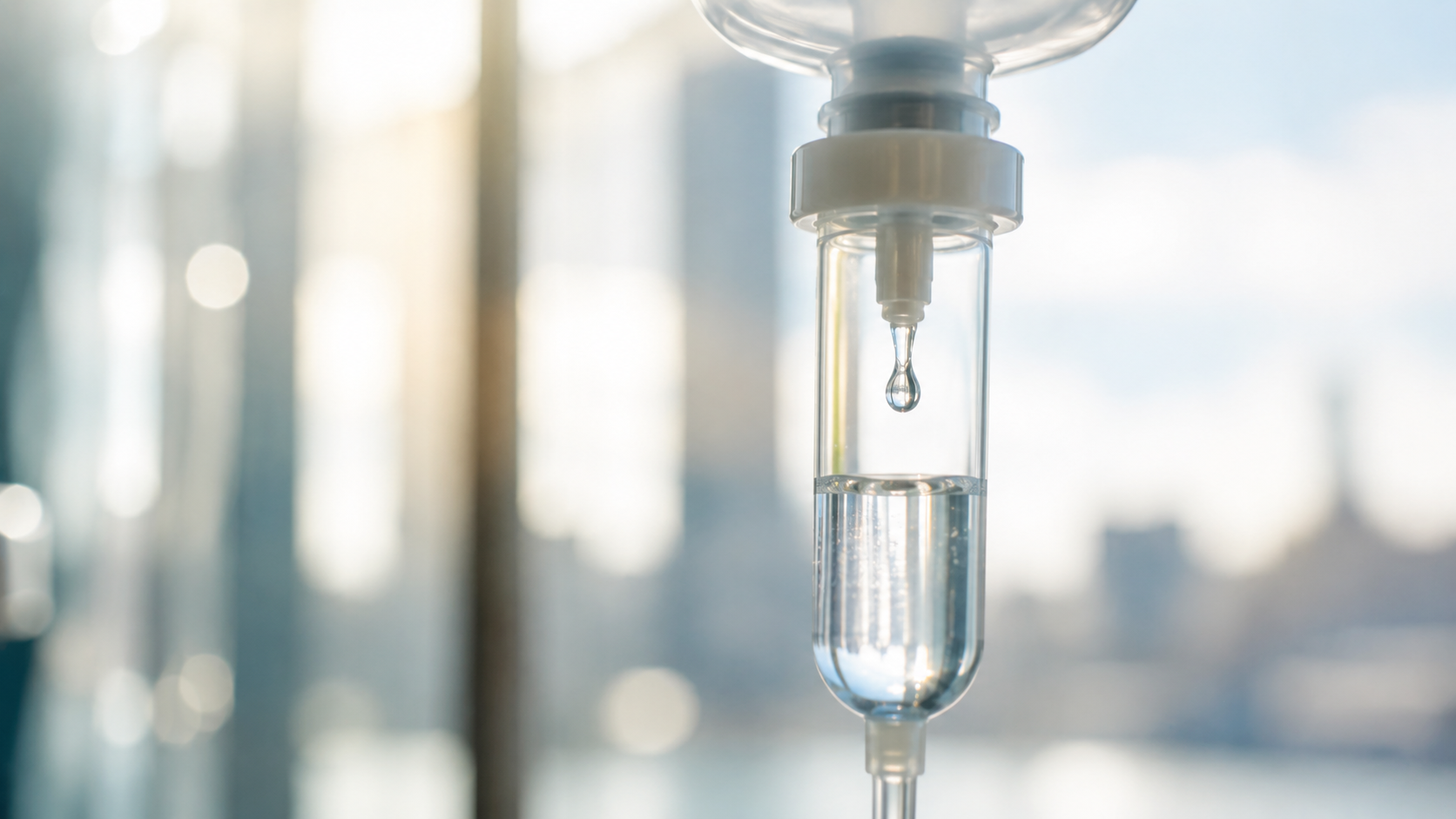
There are a few ways to raise NAD+. Oral precursors like nicotinamide riboside and nicotinamide mononucleotide are convenient and well studied for raising blood levels. Intravenous NAD+ delivers the coenzyme directly into the bloodstream, which some people prefer for its immediacy and higher dosing. Both approaches share the same goal of restoring what age and stress deplete, and both belong under medical guidance. If you want to understand how administered NAD+ fits alongside other options, our overview of NAD+ infusions walks through what treatment involves.
Who might consider NAD+ therapy
NAD+ is not a treatment for a specific disease, and it should not be framed as one. It tends to appeal to people who are managing age-related energy decline, recovering from a taxing period, or simply interested in supporting cellular health as part of a broader plan. It is frequently combined with targeted nutrients through IV nutrient therapy, since the two share the same underlying idea of giving cells better raw materials to work with.
A few things are worth keeping in mind before you start:
- NAD+ works best as one piece of a larger picture. Sleep, movement, nutrition, and stress management still do most of the heavy lifting for energy and cognition.
- Individual response varies. Some people notice a lift in energy or focus; others notice little, and the current evidence does not let anyone promise a particular outcome.
- Medical supervision matters. Dosing, delivery, and whether NAD+ is appropriate for you depend on your health history, which is a conversation for a qualified provider rather than a self-directed experiment.

Setting realistic expectations
The most useful way to think about NAD+ is as support, not a switch. It addresses a genuine biological reality, that a coenzyme central to energy production declines with age, and restoring it is achievable and well documented. Whether that restoration sharpens your memory or speeds your recovery is where honesty has to lead. The mechanism is sound, early signals are encouraging, and the definitive human proof on cognition is still being gathered.
That candor is exactly what you should look for in any clinic offering NAD+. A provider who claims guaranteed results is getting ahead of the science; one who explains what is known, what is still being studied, and what to realistically expect is treating you like an informed adult. If you are curious whether NAD+ therapy fits your goals, the sensible starting point is a conversation with clinicians who can weigh your history and answer your questions directly. You can request your free consultation to talk it through before deciding anything.
Frequently asked questions
Does NAD+ actually improve memory and focus?
Current research reliably shows that NAD+ precursors raise NAD+ levels in the body, but rigorous trials have not yet confirmed a clear, consistent improvement in cognition compared with placebo. Some early exploratory findings are encouraging, and larger studies are ongoing. The most accurate framing is that the mechanism is promising and the definitive proof is still being worked out.
What is the difference between NAD+ and its precursors?
NAD+ is the active coenzyme your cells use. Precursors like nicotinamide riboside and nicotinamide mononucleotide are compounds your body converts into NAD+. Oral precursors are convenient and well studied for raising blood levels, while intravenous NAD+ delivers the coenzyme directly. Both aim to restore what age and stress deplete.
How quickly do NAD+ levels rise with treatment?
In recent controlled research, oral nicotinamide riboside raised NAD+ levels by roughly two to three fold within about five weeks and kept them elevated with continued use. Intravenous delivery raises circulating levels more immediately. How a person feels, as opposed to their measured levels, varies from one individual to the next.
Is NAD+ therapy safe?
NAD+ precursors have been generally well tolerated in studies, with side effects typically mild. That said, whether NAD+ therapy is appropriate for you depends on your health history and any medications you take, so it should be provided and monitored by qualified clinicians rather than self-administered.
Who tends to consider NAD+ therapy?
People often explore NAD+ when they are dealing with age-related energy decline, recovering from a demanding or draining period, or looking to support cellular health as part of a wider wellness plan. It is not a treatment for a specific disease and works best alongside good sleep, nutrition, movement, and stress management.