
Tratamiento de la depresión
When flatness, exhaustion, or persistent low mood become your daily norm, you’re dealing with more than sadness. Talk therapy and standard medication help many people, but not everyone finds relief through first-line treatments alone. For treatment-resistant depression, personalized, evidence-based interventions offer a path forward.

27.5%
Clinical remission rate achieved by traditional first-line oral antidepressants during initial trials [NIMH 2006]
3-4 Weeks
Average timeline to notice gradual shifts in outlook and biological energy during neuromodulation
24 Hours
Symptom improvement window for advanced glutamatergic treatments during acute psychiatric crises [FDA.gov 2019]
13+ Years
Robust history of regulatory safety tracking and clinical execution for outpatient brain stimulation
What Are The Symptoms Of Depression
Symptoms
Persistent Low Mood
Anhedonia
Chronic Fatigue
Cognitive Impairment
Executive Dysfunction
Emotional Numbness
Pervasive Hopelessness
Suicidal Ideation
Common Impact
Experiencing a continuous sense of emptiness, emotional weight, or profound sorrow that lingers daily.
Losing all drive, interest, or satisfaction from personal relationships, career goals, and lifelong hobbies.
Remaining physically drained and exhausted even after completing 10 to 12 hours of sleep.
Enduring persistent brain fog, slow thinking, and severe difficulty concentrating during basic conversations.
Wanting to accomplish daily responsibilities but feeling physically unable to initiate or follow through on tasks.
Feeling entirely cut off from natural emotional ranges, leaving you unable to cry, laugh, or bond.
Carrying a quiet, unyielding belief that clinical recovery is impossible and your condition will never improve.
Navigating active suicidal thoughts or planning, an acute state requiring immediate clinical intervention.
Advanced Depression Treatment Options at Ketamine Wellness Clinic
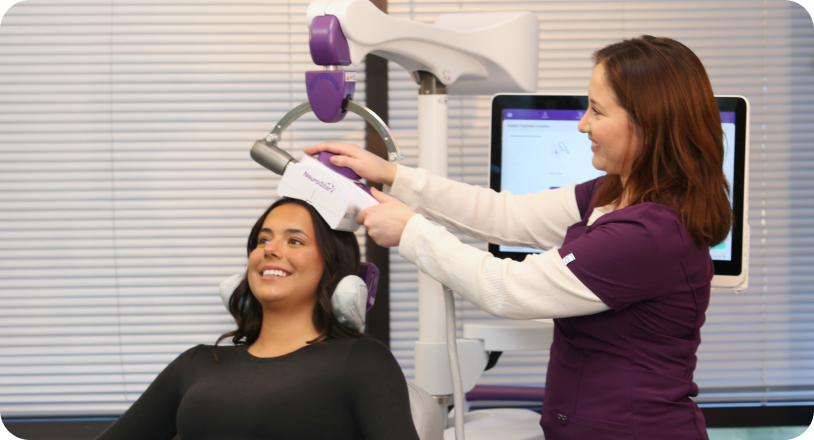
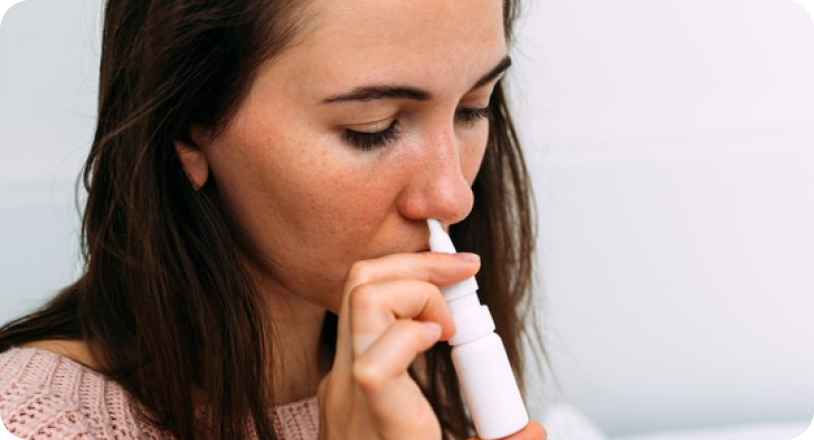
When standard oral medications fail to deliver structural relief, advanced interventional psychiatry offers alternative clinical mechanisms to break the cycle of treatment resistance. Our Pompano Beach facility provides three distinct, evidence-based modalities tailored to target underlying brain circuits directly.

What Are the Different Types of Depression?
Depression itself varies greatly from case to case. Some people may suffer from persistent depression, while others may only get it temporarily or episodically. There is a litany of different versions of depression, each with their own symptoms and triggers.
Some of the typical diagnoses of depressive disorders may include:
Major Depressive Disorder (MDD)
Also known as Clinical Depression or Unipolar Depression. The most common form of depression. It can be just a single episode, but some people may experience it periodically throughout their lives.
Postpartum Depression
A type of depression usually brought on by the hormonal shifts women experience the months or year following childbirth.
Seasonal Affective Disorder
Depression caused by a change in the circadian rhythm of the body, usually bringing on depression during a specific season of the year.
Situational Depression
While the symptoms are much like Major Depressive Disorder, this is depression brought on by a specific event, such as the death of a loved one or a life-threatening event.
Persistent Depression
Also known as dysthymia or chronic depression, this is depression that lasts for two years or more.
Manic Depression / Bipolar disorder
Characterized by periods of mania alternating with periods of intense depression.
Comparing Depression Treatment Modalities
Feature
Mechanism
Onset of Action
Driving Afterward
Primary Target
Systemic Side Effects
Terapia TMS
Focused magnetic pulses
Gradual (3–4 weeks)
Yes (Zero downtime)
Treatment-resistant depression
None
Spravato® / Ketamine
NMDA receptor antagonist
Rapid (Within 24 hours)
No (Driver required)
TRD & Acute Suicidal Crisis
Dissociation, nausea, vertigo
Oral Antidepressants
Systemic chemical alteration
Slow (4–8 weeks)
Yes
Mild to Moderate Depression
Weight gain, sexual dysfunction
Psychotherapy (CBT/IPT)
Behavioral & cognitive reframing
Gradual (Weeks to months)
Yes
Coping strategies & thought loops
None
Insurance Coverage and Financial Options
keep robust coverage for advanced depression treatments like TMS therapy and Spravato nasal spray and add the carrier list (Aetna, Blue Cross Blue Shield (BCBS), Cigna, Humana, UnitedHealthcare, Medicare, and TRICARE). Decide whether to keep the Flexible payment

Frequently Asked Questions About Depression Treatment
How do I schedule an initial consultation at the Pompano Beach clinic?
You can schedule your confidential psychiatric diagnostic evaluation by calling our administrative team directly or completing our secure online intake form. We offer convenient, unhurried appointment options to review your complete medical history and design your care plan.
Does insurance cover advanced depression options like TMS or Spravato?
Yes, most major commercial health insurance policies, Medicare, and TRICARE provide robust coverage for these treatments when documented medical necessity criteria are met. Our staff handles all prior authorizations and benefit verifications directly with your carrier to streamline the process.
Can I drive myself home after receiving these advanced interventions?
For TMS sessions, yes, because the procedure involves zero sedation or downtime. However, for Spravato nasal spray and IV ketamine infusions, clinical safety guidelines require you to arrange for a designated driver due to temporary post-treatment sedative effects.
How do I know if my condition qualifies as treatment-resistant depression?
Clinicians diagnose treatment-resistant depression (TRD) when an individual has tried at least two separate standard oral antidepressant medications at therapeutic doses for an adequate duration without achieving meaningful symptom reduction.
What should I expect during a diagnostic evaluation?
Your initial evaluation takes approximately 45 to 90 minutes. A licensed psychiatric specialist will analyze your symptom profile, genetic history, and past treatment timelines to determine which advanced modality offers the highest chance of success.
How fast do rapid-acting depression treatments work?
Clinical data shows that advanced glutamatergic options like Spravato and IV ketamine can initiate significant symptom improvement and a reduction in suicidal thoughts within hours to 24 hours after your very first dose.
Are these advanced psychiatric treatments safe?
Yes. Both TMS and Spravato are fully FDA-cleared and backed by extensive real-world safety data. Unlike electroconvulsive therapy (ECT), they do not cause generalized seizures, do not require general anesthesia, and do not cause long-term memory loss or confusion.
Will I have to stay on daily oral antidepressants during treatment?
Medical guidelines often require pairing Spravato with an oral antidepressant to maximize long-term remission. For TMS therapy, many patients continue their existing prescription regimens under close medical supervision, though some are able to safely taper down after completing the protocol.
What are the absolute contraindications for these therapies?
TMS cannot be administered if you have non-removable ferromagnetic metal implants or electronic devices near your head. Ketamine-based therapies are contraindicated for individuals with severe, uncontrolled cardiovascular disease or a history of specific vascular aneurysms. A thorough physical and psychiatric screening is conducted prior to care.
Más información
Contáctenos hoy y descubra cómo Ketamine Clinic puede guiar su camino hacia el bienestar personal.
Solo con cita previa
Pompano Beach

41 N Federal Hwy, Suite A, 2nd Floor Pompano Beach, FL 33062

(954) 320-4944

(954) 400-5805

contact@ketamineclinicsouthflorida.com