
Seeking comprehensive ketamine addiction treatment is an important first step for individuals experiencing difficulty regulating their ketamine use. While clinical ketamine has recognized medical applications, nonmedical or frequent consumption can lead to physical tolerance, emotional dependence, and urinary discomfort.
Through professional treatment for ketamine addiction, compassionate medical guidance, and personalized behavioral therapies, individuals can safely navigate recovery. At Ketamine & Wellness Clinic of South Florida in Pompano Beach, our clinical team helps patients explore structured, evidence-based care in a safe and supportive environment.
Key Takeaways
- Professional treatment: Care may include medical assessment, clinician-guided cessation, behavioral therapy, and support for co-occurring mental health conditions.
- Health risks: Ketamine misuse can damage the bladder and urinary tract and may affect memory, mood, and physical coordination.
- Ongoing recovery: Individualized treatment and continued support can help people manage cravings, address triggers, and reduce relapse risks.
What Are the Signs of Ketamine Addiction?
Ketamine addiction can involve strong cravings, difficulty controlling use, and continued use despite harmful effects on health, relationships, or daily responsibilities. Recognizing these signs early can help people seek support before problems become more severe.
Common signs of ketamine dependence include:
- Strong cravings or repeated unsuccessful attempts to stop using ketamine.
- Increasing use or developing tolerance, meaning more ketamine is needed to feel the same effects.
- Neglecting work, education, relationships, or personal health because of ketamine use.
- Anxiety, low mood, agitation, or sleep disturbances when stopping or reducing use.
- Continuing to use ketamine despite urinary pain, abdominal discomfort, or other health problems.
Ketamine is a dissociative anesthetic that affects perception, awareness, and thinking. Repeated use can develop into a harmful pattern that is difficult to manage without professional support. Over time, ketamine use may affect physical health, mental well-being, and daily life.
Withdrawal symptoms vary based on a person’s pattern of use, overall health, and whether other substances are involved. A healthcare professional can assess these concerns and help determine appropriate treatment options.
What Are the Risks of Ketamine Dependence?
Repeated ketamine use can cause physical and mental health problems, including bladder damage, memory difficulties, mood changes, and abdominal pain. These complications can affect daily life and may worsen if ketamine use continues without medical support.
| Risk | Possible effects |
| Bladder and urinary tract damage | Frequent urination, urgency, painful urination, and blood in the urine |
| Cognitive effects | Problems with memory, attention, and coordination |
| Mental health effects | Anxiety, low mood, paranoia, or psychotic symptoms |
| Gastrointestinal complications | Persistent abdominal pain and discomfort |
| Liver complications | Possible liver or bile duct injury |
| Drug interactions | Increased sedation and risk of breathing complications when combined with other depressants |
Combining ketamine with alcohol, opioids, or benzodiazepines can increase the risk of dangerous sedation and other serious complications. Patients should tell their healthcare provider about all substances they use to help reduce these risks. Medical supervision is important when considering ketamine therapy because its clinical use differs from nonmedical ketamine use.
Suspected overdose, breathing difficulties, seizures, severe confusion, or loss of consciousness require emergency medical care. Prompt medical assessment can help identify complications and guide appropriate treatment.
What Does Comprehensive Ketamine Addiction Treatment Involve?
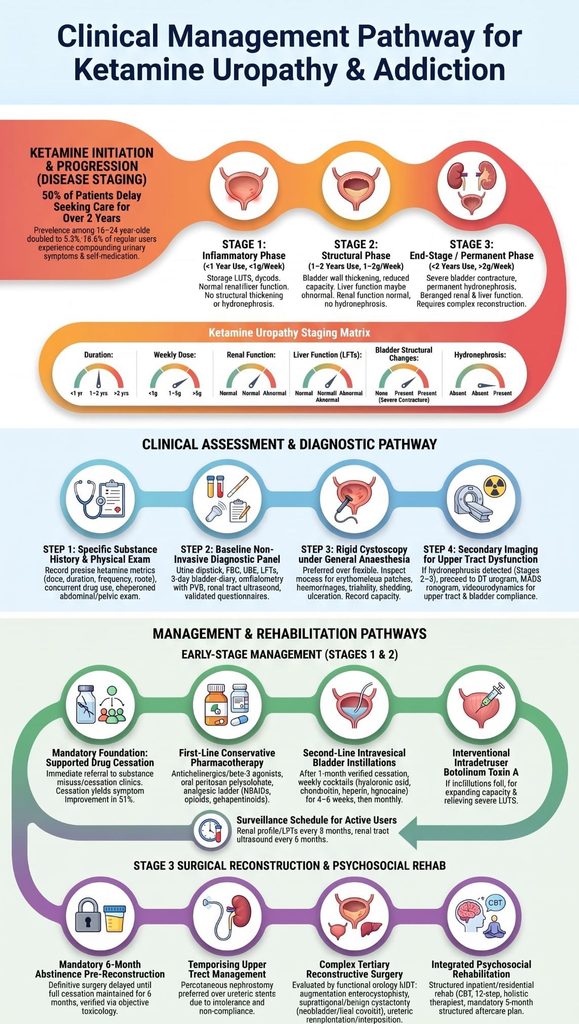
Evidence-based recovery plans focus on supporting the individual as a whole, addressing psychological triggers, restoring physical balance, and developing sustainable lifestyle strategies. There is currently no medication specifically established as a standard approved protocol for ketamine use disorder, which is why clinicians emphasize individualized care plans tailored to each person’s unique background.
Common treatment approaches include:
- Medical assessment: Evaluates ketamine use, physical symptoms, mental health, and other substance use.
- Clinician-guided cessation: Establishes an appropriate plan for stopping ketamine and monitoring symptoms.
- Behavioral therapy: Helps patients identify triggers, manage cravings, and develop healthier coping strategies.
- Mental health treatment: Addresses conditions such as depression, anxiety, or trauma that may contribute to substance use.
- Ongoing support: Provides continued counseling, relapse prevention, and follow-up care.
Insights from PubMed indicate
“Multidisciplinary strategies addressing both psychiatric and somatic complications, including ‘K-bladder’ and ‘K-cramps’, emerged as an essential component of the treatment/management package.” – PubMed
Treatment intensity depends on the severity of dependence and any co-occurring conditions. People with significant medical complications or severe psychiatric symptoms may require more intensive care. Dependence on alcohol or benzodiazepines also needs specific medical attention because withdrawal from these substances can be life-threatening.
Which Therapies Support Recovery From Ketamine Addiction?
Behavioral therapy can help people understand what drives their ketamine use and build practical skills to support recovery. The right approach depends on each person’s needs, challenges, and mental health.
| Therapy or support | Purpose |
| Cognitive behavioral therapy (CBT) | Identifies triggers and changes harmful thought and behavior patterns |
| Motivational interviewing | Helps strengthen motivation to change substance use |
| Individual counseling | Addresses emotional distress, trauma, and personal challenges |
| Group or family therapy | Builds communication skills and supportive relationships |
| Dual diagnosis care | Treats substance use alongside co-occurring mental health conditions |
| Peer support | Helps reduce isolation and encourages continued recovery |
No single approach works for everyone. A clinician may recommend a mix of counseling, psychiatric care, medication management, family involvement, and peer support based on the person’s needs and progress.
Recovery can include setbacks, and returning to ketamine use does not mean treatment has failed. Instead, it may show that triggers, treatment strategies, or the level of support need to be reviewed. Ongoing follow-up can help people adjust their plan and stay focused on recovery.
What Is Ketamine Bladder Syndrome?
Ketamine-induced cystitis is bladder inflammation associated with ketamine use that can cause painful urinary symptoms and, in severe cases, lasting damage.
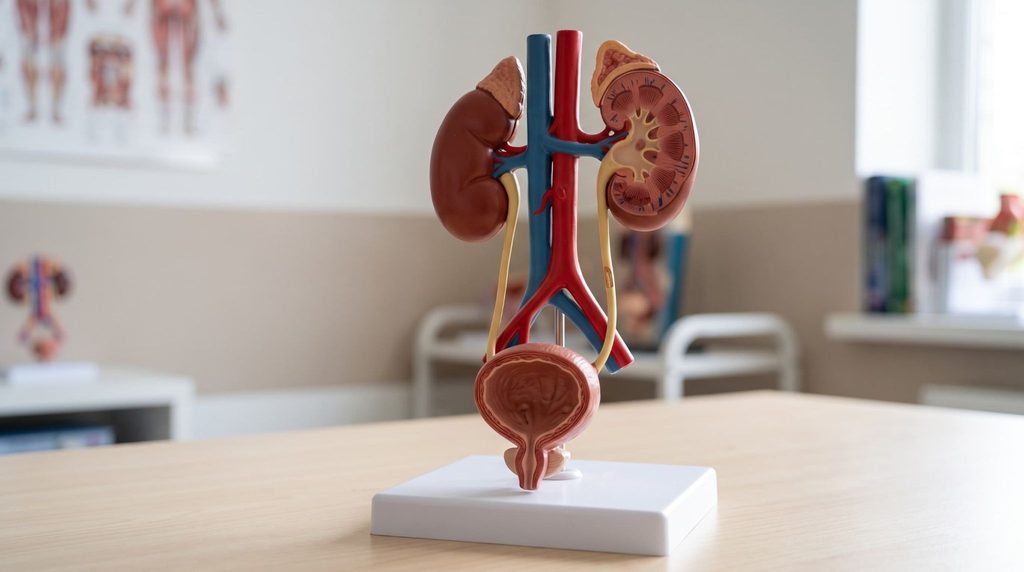
Symptoms may include:
- Frequent urination or sudden urgency.
- Pain or burning during urination.
- Pelvic or lower abdominal pain.
- Blood in the urine.
- Difficulty passing urine.
These symptoms need medical assessment because ketamine-related bladder damage can resemble a urinary tract infection. A clinician may recommend urine testing, blood tests, imaging, or referral to a urologist, depending on the symptoms.
According to landmark clinical findings indexed on PubMed:
“A syndrome of cystitis and contracted bladder can be associated with street-ketamine abuse. Secondary renal damage can occur in severe cases which might be irreversible, rendering patients dependent on dialysis.” – PubMed.
Early medical intervention and discontinuation of unsupervised use play a crucial role in protecting long-term urinary wellness and supporting tissue recovery.
Stopping ketamine is a central part of managing ketamine-induced cystitis. Additional treatment may include medication for urinary symptoms, pain management, or specialist procedures. Antibiotics alone will not treat drug-related bladder inflammation when a bacterial infection is absent.
Some symptoms improve after ketamine cessation, but recovery depends on the extent of the damage. Persistent or severe symptoms may require ongoing specialist care. Blood in the urine or an inability to urinate requires urgent medical evaluation.
When Should Someone Seek Professional Help?
Professional help is appropriate when ketamine use becomes difficult to control, affects daily life, or causes physical or psychological symptoms.

An evaluation is especially important when someone experiences cravings, repeated attempts to stop, worsening anxiety or depression, or urinary and abdominal pain. Early assessment can help identify complications and determine whether outpatient support or more intensive treatment is appropriate.
Seek emergency medical care for suspected overdose, breathing problems, seizures, loss of consciousness, severe confusion, or inability to urinate. Visible blood in the urine also warrants prompt medical assessment.
People should not assume that ketamine withdrawal is always mild or that physical complications will resolve without treatment. Individualized medical advice is safer than relying on an expected withdrawal timeline or attempting to manage serious symptoms alone.
How Can Ketamine & Wellness Clinic of South Florida Help?
Ketamine & Wellness Clinic of South Florida, located in Pompano Beach, Florida, provides mental health and wellness services under the oversight of board-certified psychiatrist Dr. Delvena Thomas, with care led by advanced certified nurse practitioners Sonia Cotto and Khali Reed.
Services include:
- NeuroStar Advanced TMS Therapy.
- IV ketamine infusions.
- FDA-approved Spravato (esketamine) nasal spray.
- Medication management.
- IV vitamin therapy.
- Stellate ganglion blocks (SGB).
NeuroStar is an FDA-cleared, non-invasive TMS system indicated for adults with major depressive disorder and, as an adjunctive treatment, adults with obsessive-compulsive disorder; eligibility depends on a clinical evaluation. It may be considered for certain patients whose depression has not responded adequately to standard treatments.
It is important to note that NeuroStar Advanced TMS is an FDA-cleared therapy specifically indicated for major depressive disorder and obsessive-compulsive disorder; it is not a direct therapy for substance use withdrawal or urinary conditions. However, because depressive symptoms frequently co-occur alongside substance dependence, evaluating mood health through an integrated outpatient plan can provide meaningful emotional stabilization during recovery.
The clinic serves patients in Pompano Beach, Deerfield Beach, Lighthouse Point, Lauderdale-by-the-Sea, and Hallandale Beach.
Compassionate Support for Lasting Wellness
Ketamine use can cause urinary pain, stomach discomfort, or mood changes that make daily life harder. Don’t ignore these signs. An early medical assessment can help you understand the risks and identify appropriate care.
Recovery takes time, and the right support depends on your needs. Ketamine & Wellness Clinic of South Florida in Pompano Beach offers individualized mental health care for eligible patients. Under the care of board-certified psychiatrist Dr. Delvena Thomas and experienced psychiatric nurse practitioners, patients can discuss suitable treatment options in a private outpatient setting.
Concerned about your ketamine use? Contact Ketamine & Wellness Clinic of South Florida to discuss your concerns and ask about available care options.
FAQ
What are the signs of ketamine addiction?
Signs of ketamine addiction include strong cravings, increased tolerance, difficulty controlling ketamine use, and continued use despite harmful consequences. Some people also develop memory problems, anxiety, depression, or urinary problems.
A medical evaluation can help determine whether someone has ketamine use disorder and identify the appropriate level of care based on their symptoms, health, and pattern of use.
What happens during ketamine detox?
Ketamine detox focuses on managing withdrawal symptoms, cravings, and related health concerns. During medical detox, clinicians assess sleep disturbances, anxiety, depression, and changes in mood or behavior.
Ketamine withdrawal does not typically cause the same severe physical symptoms associated with alcohol or benzodiazepine withdrawal. Medical supervision can help patients manage symptoms and receive further treatment when necessary.
Is inpatient or outpatient care better for ketamine addiction treatment?
The ideal recovery setting depends on personal health needs, symptom severity, and daily responsibilities. Residential programs provide continuous clinical monitoring, while outpatient services allow individuals to receive structured behavioral therapy and medical guidance while living at home.
Outpatient treatment may suit those who can safely live at home while attending scheduled sessions. An addiction specialist can recommend a suitable treatment plan after a comprehensive assessment.
What therapies help prevent ketamine relapse?
Behavioral therapy helps people identify relapse triggers, manage ketamine cravings, and develop healthier coping skills. Cognitive behavioral therapy focuses on changing harmful thought patterns and behaviors, while motivational interviewing helps strengthen commitment to recovery.
Individual therapy, group therapy, and peer support provide additional guidance. A relapse prevention plan should include coping strategies, ongoing counseling, and aftercare planning to support long-term recovery.
Can ketamine addiction cause lasting bladder or mental health problems?
Yes. Repeated ketamine misuse can cause ketamine-induced cystitis, frequent urination, painful urination, abdominal pain, and bladder damage. Some people also experience persistent memory problems, difficulty concentrating, anxiety, depression, or paranoia.
The severity and duration of these effects vary. A medical evaluation can identify complications and guide treatment. People with co-occurring mental health conditions may also benefit from dual diagnosis treatment and ongoing psychiatric care.